Five years that made a belt
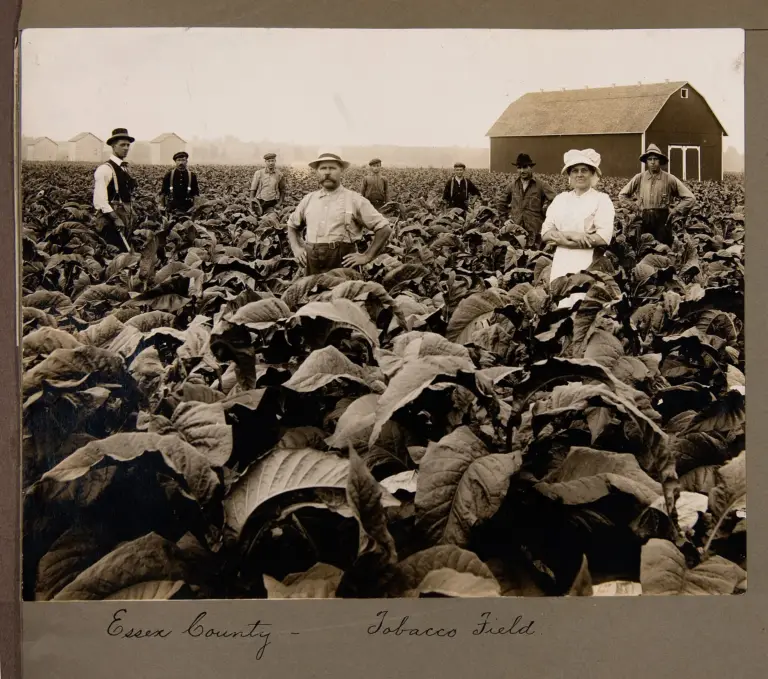
Almost everything we know about Henry Freeman comes from the federal history of the research station at Harrow, in Essex County, where he worked.S2 It describes a man who had visited every tobacco district in the province, and who knew which soils and weather suited the crop.S2
- 1920
The bulletin
Freeman and D. D. Digges publish Flue-cured Tobacco in Canada in October: 44 pages on growing the crop, tobacco soils and fertilizer trials.S2
- 1921
Leamington
With William L. Pelton he grows 21 acres of flue-cured tobacco near Leamington, in the heart of the old belt.S2
- 1922
Trial at Lynedoch
The pair turn east to Norfolk’s sand and grow an experimental five acres near Lynedoch.S2
- 1923
The new belt
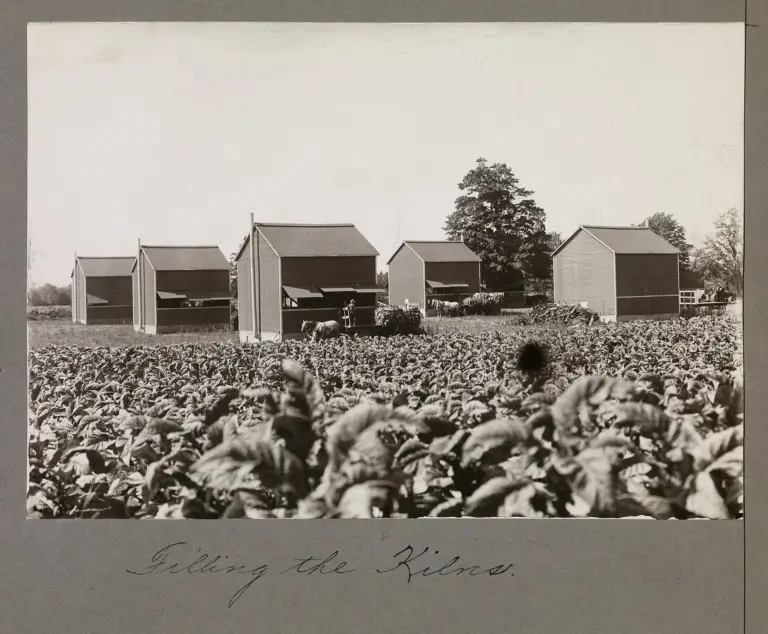
They buy the old Chrysler farm at Lynedoch and harvest a 30-acre commercial crop, the first of the new belt in the federal account.S2
- 1928
All in on Norfolk
After two years as superintendent of the Harrow station, he resigns in January to become owner of Ontario Tobacco Plantations in Norfolk County.S2
“An exceptionally capable judge”
North or South Carolina?
The Harrow history says Freeman came from South Carolina, and Pelton from Wisconsin.S2
A Multicultural History Society of Ontario report calls the two men North Carolinians.S22
We follow the federal account and flag the difference. A census or immigration record would settle it.
- Name
- Henry A. Freeman
- From
- South Carolina, per the federal record (sources differ)
- Life dates
- Not yet confirmed
- Known for
- 1923The 30-acre Lynedoch crop
- Partner
- William L. Pelton, of Wisconsin