Communities
Tobacco changed who lived in Delhi. The flue-cured farms of the 1920s and 1930s needed far more hands than the sandy farms before them, and many of the people who came to do the work stayed. The historian Jonathan McQuarrie notes that many of the tenant farmers on Norfolk’s early tobacco plantations were immigrants from Belgium and Hungary.S3
Each community built something of its own. By the clubs’ and halls’ own histories, the Belgian Club grew out of a 1943 drama club and opened its hall in 1948,S9 and the Hungarian House was dedicated on 15 May 1949.S8 The German Association Club of Delhi, founded in 1936, opened the German Home in 1950, a historical marker records.S24 And the Lithuanian Canadian Community’s history has Lithuanians working Delhi-area farms by 1930, with about a hundred Lithuanian families and individuals living around the town by the Second World War.S29 Poles formed a branch of the Polish Alliance in 1939 and opened their hall in 1947; a moved schoolroom became the Ukrainian hall in 1944; and Portuguese families who came for the harvest in the 1950s and 1960s ran a Portuguese Hall from 1978 to 1987, the Delhi Tobacco Museum’s walking tour records.S92
Many newcomers started as labourers, worked a farm on shares and saved for land of their own, the path chapter 7 follows. The pages below tell each community’s story as far as the sources allow, and name the community’s own histories in the sentence. Many Portuguese immigrants of the 1950s and 1960s worked Norfolk’s tobacco harvests and later settled, especially in Simcoe and Delhi, an exhibition on the Portuguese in Canada notes.S60 They, and Polish, Ukrainian, Dutch and other families, belong here too, as do the seasonal workers from across Canada and later the Caribbean and Mexico, whose story is in chapter 9 and our guide to the harvest workers.S5S18 If your family’s community isn’t here yet, tell us about it.
-
Portuguese
Harvest hands in the 1950s and 1960s, then growers; the Portuguese Hall, 1978–1987.
-
Ukrainian
A schoolroom turned hall in 1944, and new arrivals in 2022.
-
Polish
Branch 17 of the Polish Alliance of Canada, 1939, and its Main Street hall of 1947.
-
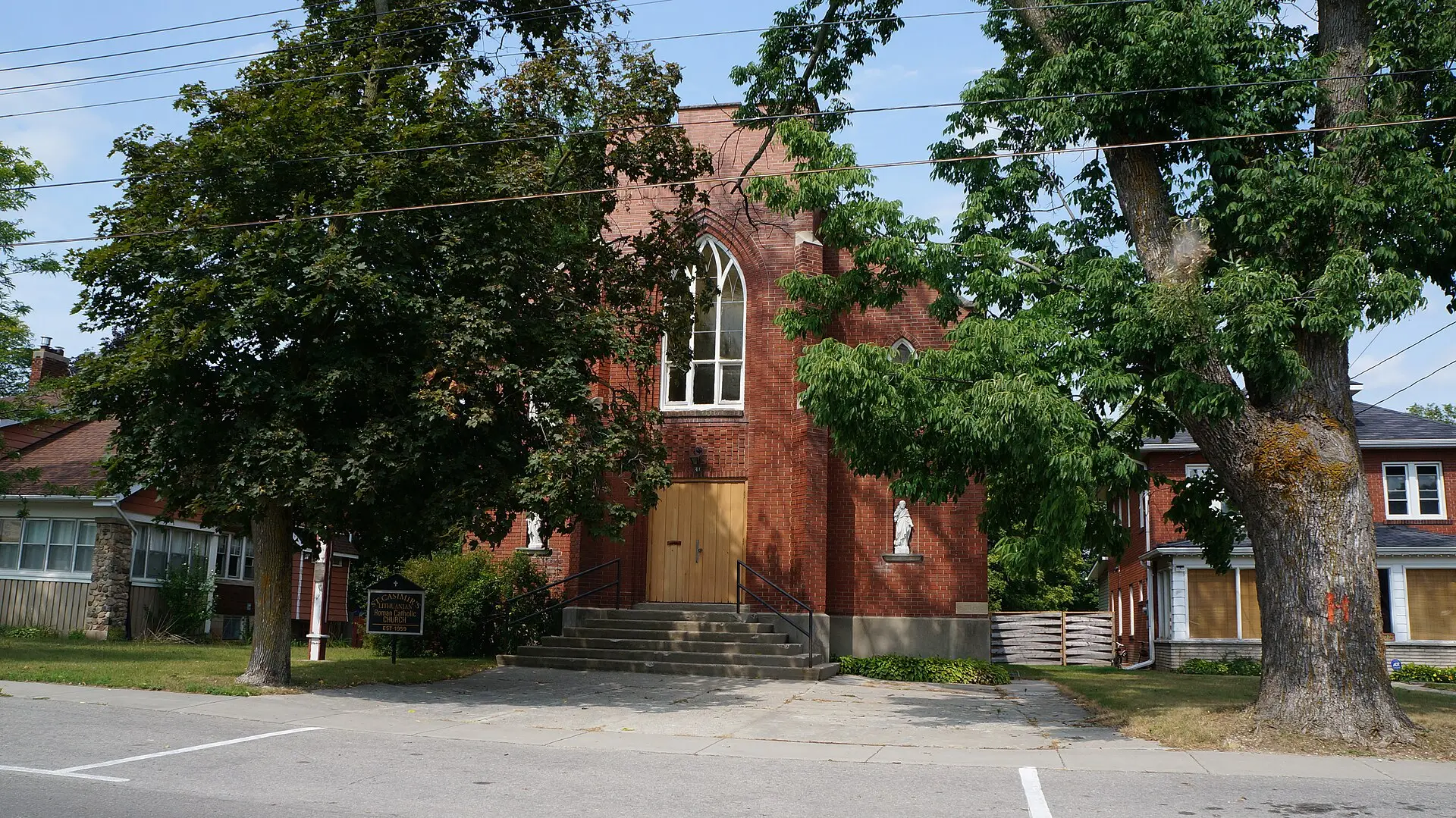
Lithuanian
On Delhi-area tobacco farms by 1930–31; organized after the war.
-
German
Saxons and Swabians, and the German Home that opened in 1950.
-
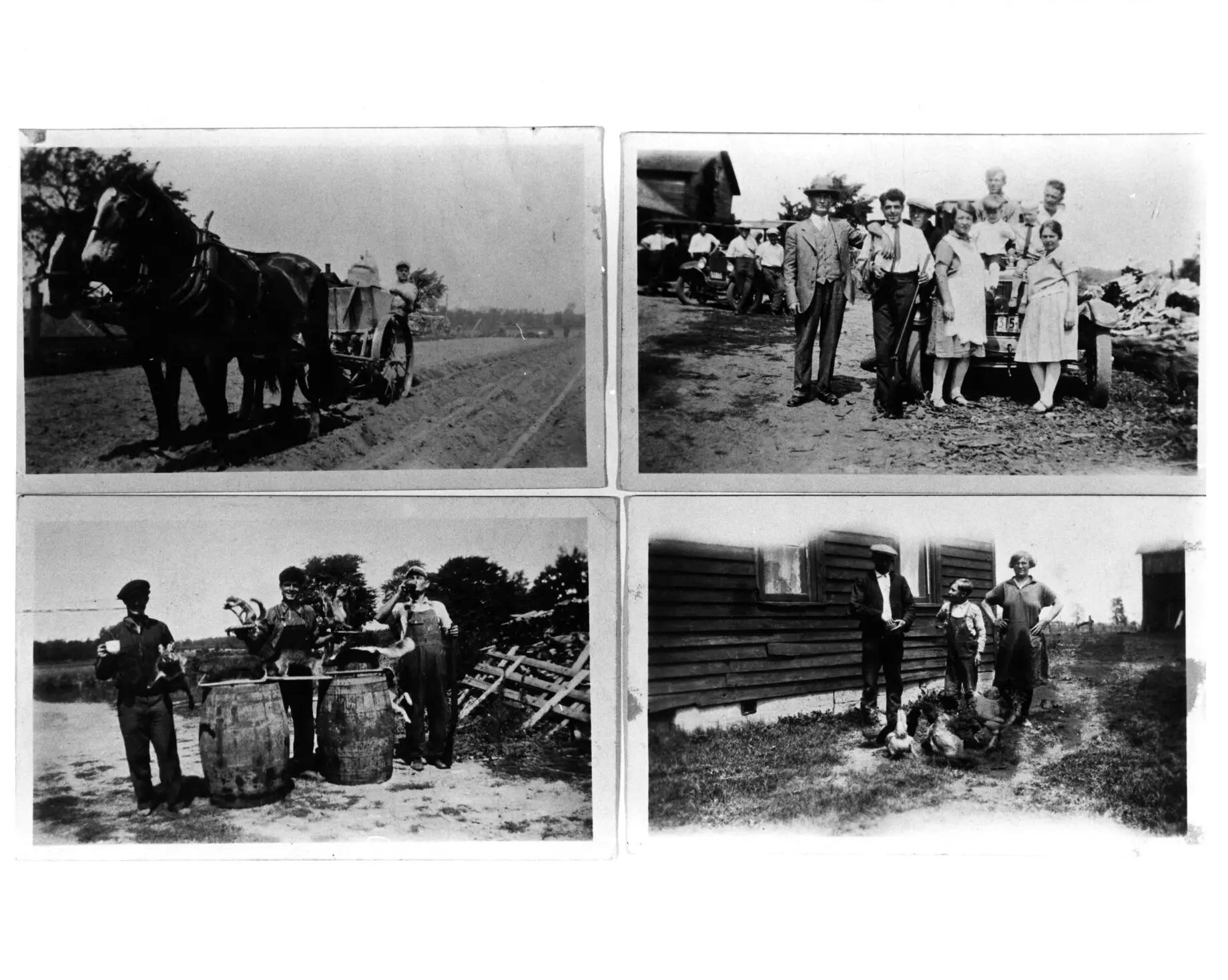
Belgian
From tenant farms in the 1920s to a hall that stood for seventy years.
-
Hungarian
The Canada Tobacco District Hungarian House, opened 15 May 1949.