Halls, churches and the tobacco town The Delhi walking tour
Eleven stops, from the tobacco museum to the halls the newcomers built, all on public streets. Built on the Delhi Tobacco Museum’s own walking tour, with links to the full story at every stop.
A town you can read
Delhi’s tobacco years are written into its streets. The communities the crop drew built halls and churches within a few blocks of each other, and many still stand. This route follows them, and draws on the Delhi Tobacco Museum’s own walking tour, Faith & Fellowship.S92
Every stop can be seen from the sidewalk. Some halls are private clubs and some buildings are now private property, so please look from the street unless a building is open to visitors. Start at the museum on Talbot Road, work through the north end of town to Main Street, then east to James Street and Adams Avenue, and finish at the soccer field at the south end of Main. Each stop has a map link.
- Stops
- 11
- Start
- The museum, 200 Talbot Road
- Finish
- McLaughlin soccer field
- On foot
- Allow a couple of hours if you stop to read
- Based on
- The museum’s Faith & Fellowship tourS92
Eleven stops, one story
200 Talbot Road Built in 1979 in the shape of a tobacco pack barn, with a heritage-designated kiln on its grounds and the Quance Saw Mill in the park below.S6S51 Check opening hours before you go. More · Map
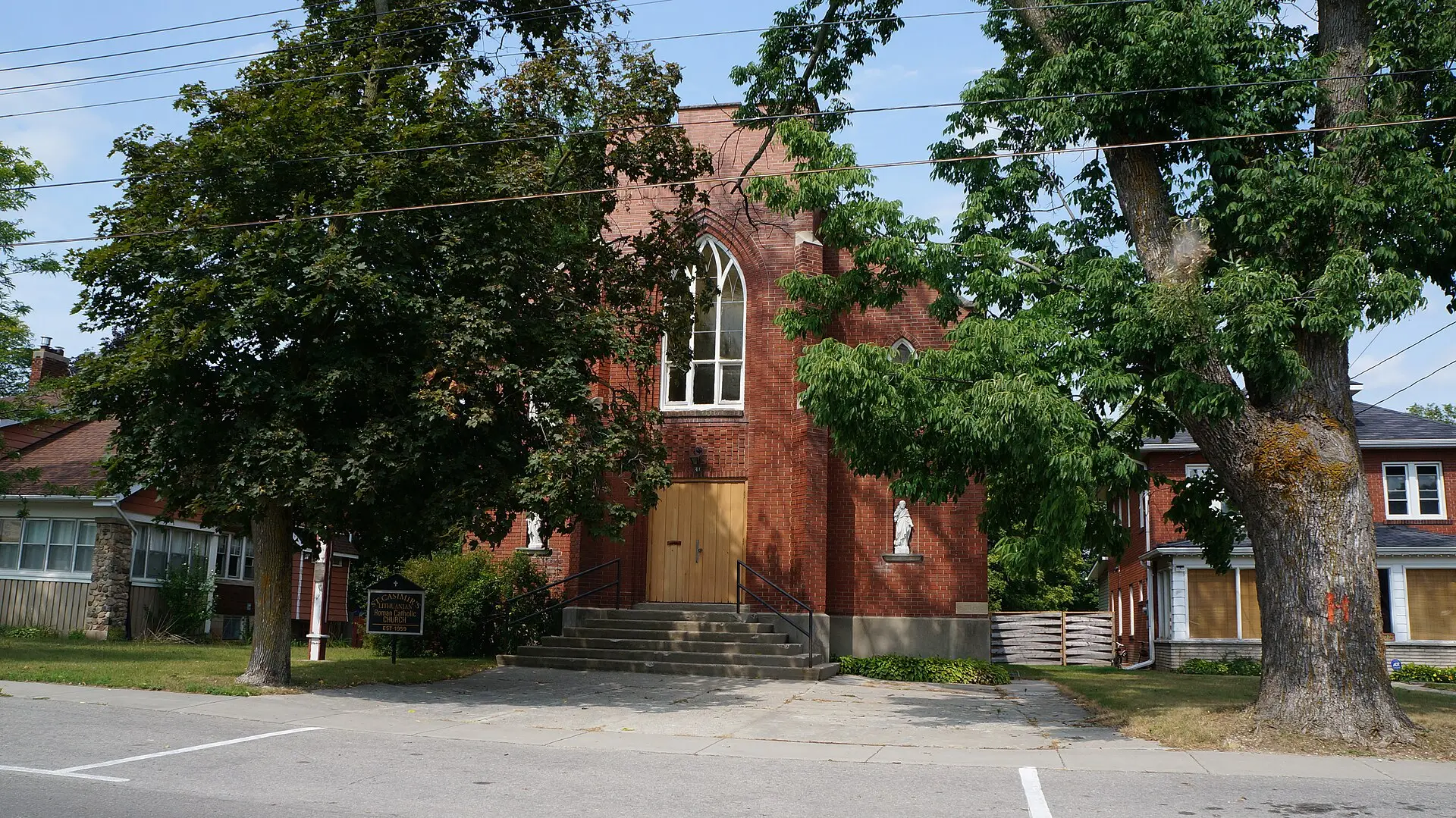
41 Talbot Street Formed in 1959 on the site of the first St. John de Brebeuf church, serving Lithuanians from as far as Ingersoll, Woodstock, Port Burwell and Aylmer. The 18-foot oak cross went up in the early 1970s.S92 The Lithuanians · Map
71 King Street The Canada Tobacco District Hungarian House, dedicated on 15 May 1949, the community’s first completed project, and still its hall.S8 More · Map
192 Main Street In front of the library, the Multicultural Heritage Association of Norfolk’s 2018 marker calls Delhi the “Hospitality Capital of Canada.”S94 · Map
234 Main Street Branch 17 of the Polish Alliance of Canada bought this lot in 1942 and opened its hall on 20 April 1947.S92 The Poles of Delhi · Map
307 Main Street A grocery store bought in 1978 by Mario DaSilva as the Portuguese Hall, and sold to the Knights of Columbus in 1987.S92 The Portuguese of Delhi · Map
360 James Street The Belgian Hall opened in 1948 and was a centre of Delhi life for nearly seventy years. It closed in 2017 and the property was sold in 2018, so view it from the street.S9 The Belgians of Delhi · Map
443 James Street Built from the Hungarian House’s blueprints, it opened with a dance on 25 November 1950. A historical marker stands outside.S92S24 The Germans of Delhi · Map
21 Lansdowne Street The Hungarian Presbyterian church, opened on 22 July 1951 in the style of the churches its members had known in Hungary and Romania. It closed in 2017.S92S42 · Map
110 Adams Avenue Father John Uyen’s parish of St. John de Brebeuf built this church in 1956; it took its present name in 2007.S92 The Tobacco Priest · Map
McLaughlin soccer field, south end of Main Street A school portable that opened as the “New Greek Ukrainian Hall” in 1944, later the Slovak club and the Odd Fellows’ hall, now moved here.S92 The Ukrainians of Delhi · Map

More guides
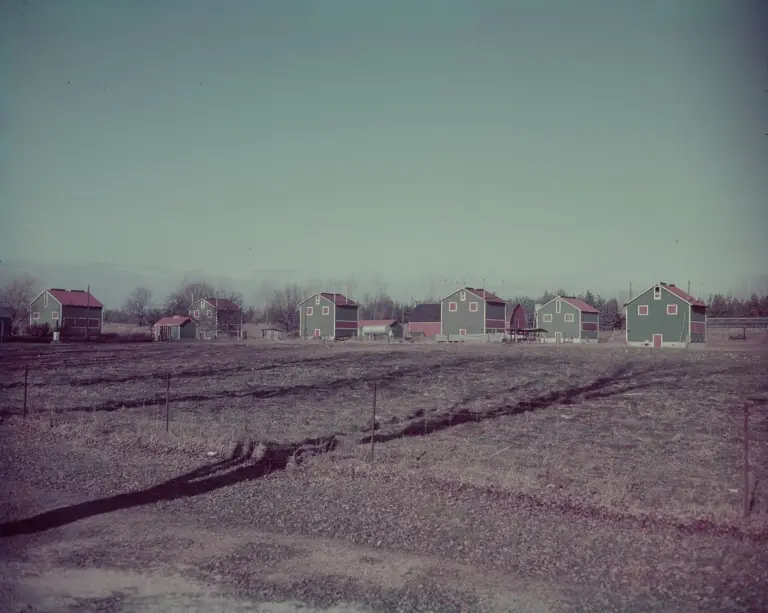 GuideThe tobacco kilnsHow a cure worked, and the kiln you can visit
 GuideThe harvest workersSoldiers, students, “transients” and workers from abroad
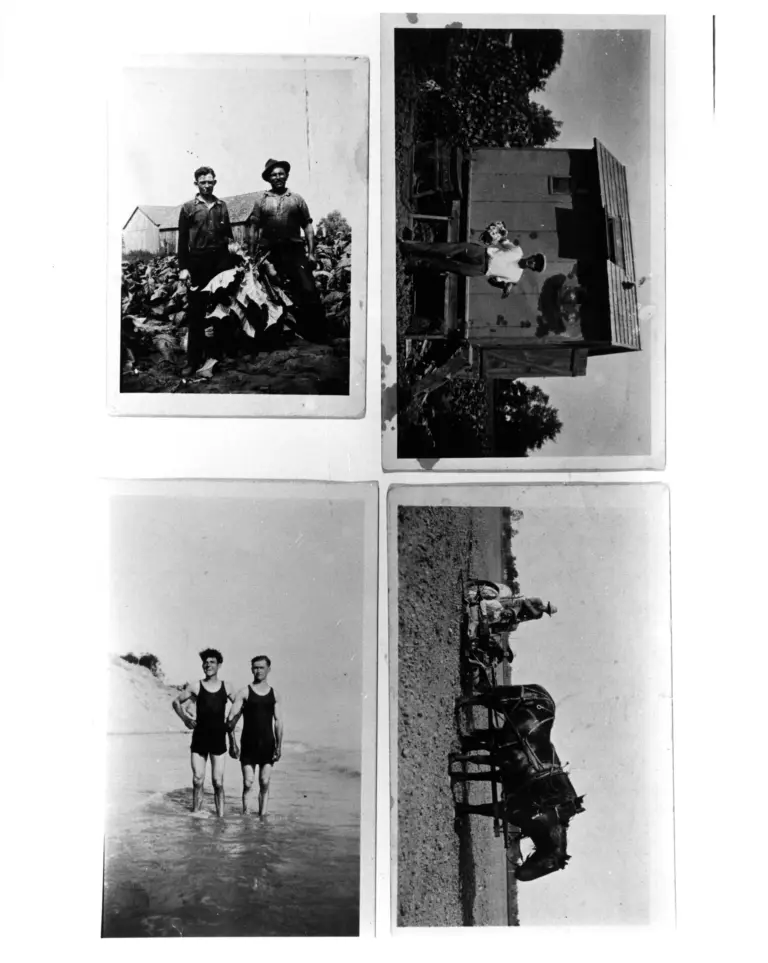 GuideFeeding the harvestThree meals a day for two dozen, from a Delhi kitchen
 GuideThe Harvest FestivalFrom the 1956 Tobacco Queen to the 2000s
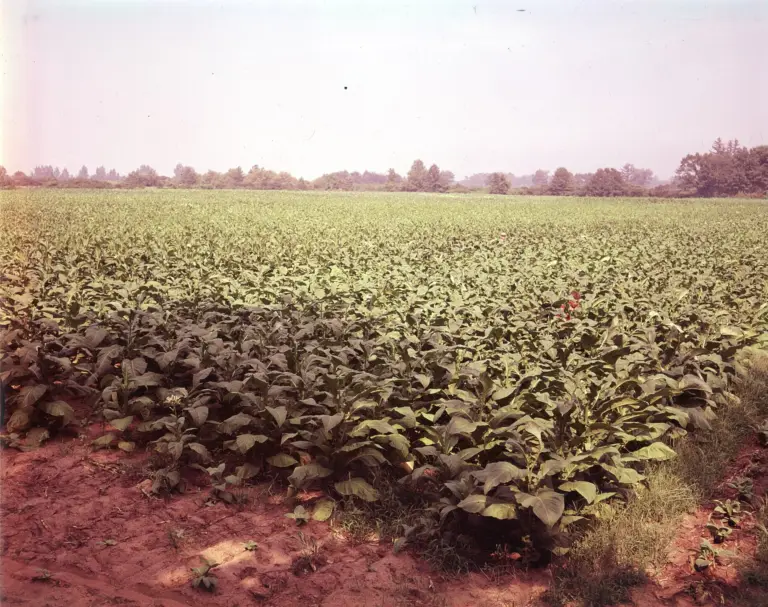 GuideBlue mould, 1979The epidemic that took a third of the crop
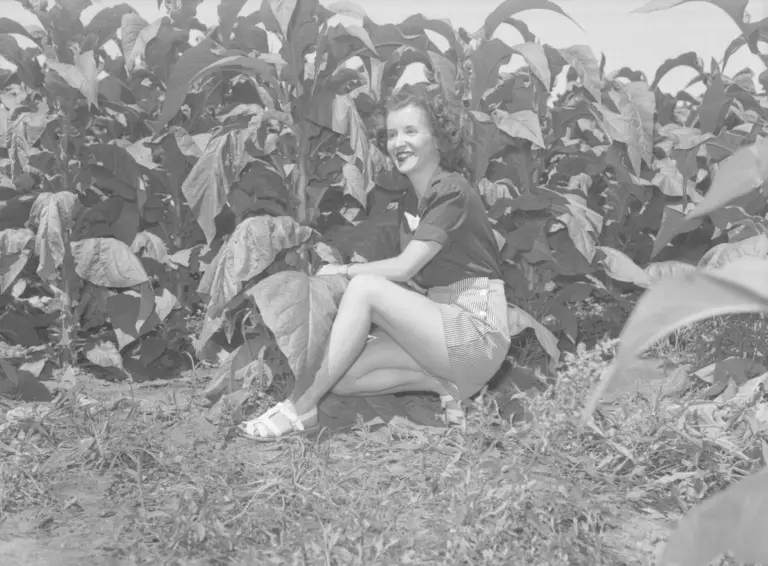 FilmThe Back-Breaking LeafThe NFB’s 1959 film of the harvest
Know a stop we missed?
A hall, a store, a church or a house with a tobacco story: tell us and we’ll look into it. We never publish a private address without the owner’s permission.