Local history, every figure sourced Teaching tobacco country
How to use this site in class: which chapters suit which grades, questions to start discussion, and how to read the sources with students.
Local, and honest about it
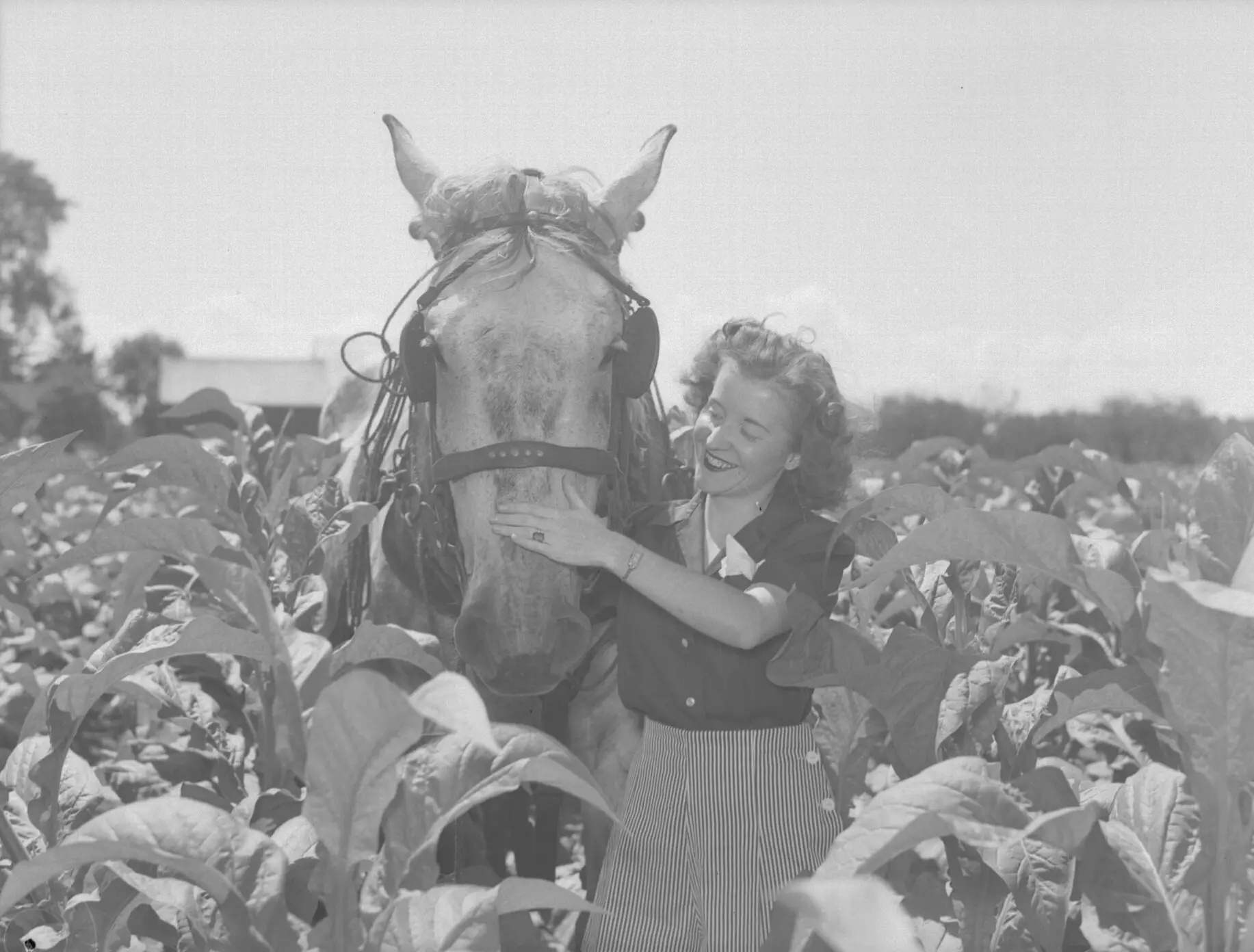
Delhi’s tobacco history is a compact way into big themes: land and soil, immigration and community, work and wages, science, markets, public health and how a town adapts. It happened within an hour of many Ontario classrooms, and much of it is still visible on the ground.
The site tells both histories, the wealth the crop brought and the harm it caused, and every figure carries a citation students can follow. Where sources disagree, a “where the sources differ” box says so and explains which account the site follows.
- Chapters
- 17, from the 1800s to today
- Guides
- Kilns, harvest workers, kitchens, festival, blue mould, the 1959 film
- Primary sources
- Government reports, archives, newspapers of the day, a 1959 NFB film
- Free
- No accounts or ads
Where to start
Land and work: why sandy soil suited tobacco, and what a farm year looked like. Chapter 1, Chapter 5, the kilns guide.
Newcomers and community: who came, why, and what they built. Chapter 7, Chapter 8, the community pages, the walking tour.
Science and change: the research station, irrigation, kilns and machines. Chapter 4, Chapter 12, blue mould, 1979.
The Depression harvest of 1939, wartime labour, postwar immigration and seasonal workers from abroad. Chapter 9, the harvest workers guide, the 1959 film.
Health policy against a local economy: falling demand, taxes and smuggling, the buyout, and the 2017 proposal to end the crop. Chapters 13 to 16.
Questions to start with
Why did farmers once call the sand plain poor land, and what made it good tobacco land?
Many families went from labourer to sharecropper to owner. What made that path possible, and who was left out of it?
Watch The Back-Breaking Leaf. Which jobs were hardest, and how did machines change who did the work?
Why would a community build its own hall? What does a town lose when a hall closes?
Tobacco paid for farms and halls and also caused serious harm. How should a town remember an industry like that?
Pick a “where the sources differ” box. Which source would you trust more, and why?
Follow the numbers
Each small number in the text links to its source at the foot of the page, and the sources page lists them all in four tiers, from government records and archives to community histories, which the text always names in the sentence. It is a good place to practise asking who wrote something, when, and why.
The timeline can be filtered by theme and by community, and the glossary explains the words of tobacco country, from priming to quota.
More guides
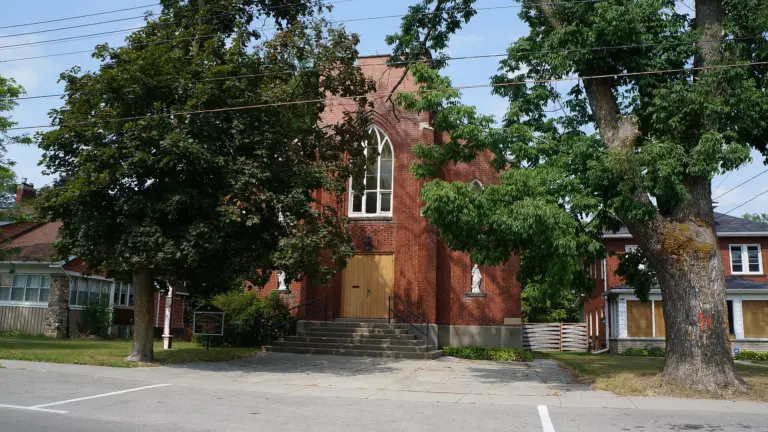 GuideThe walking tourEleven stops at the halls, churches and museum
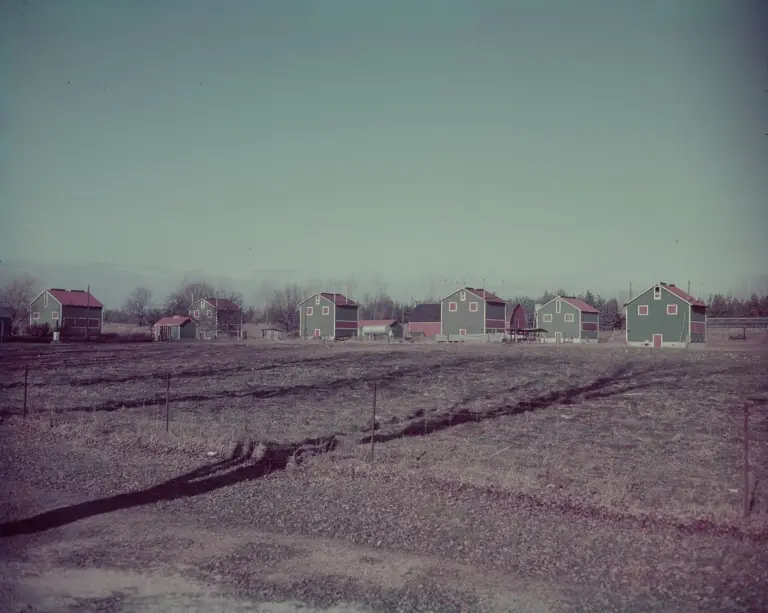 GuideThe tobacco kilnsHow a cure worked, and the kiln you can visit
 GuideThe harvest workersSoldiers, students, “transients” and workers from abroad
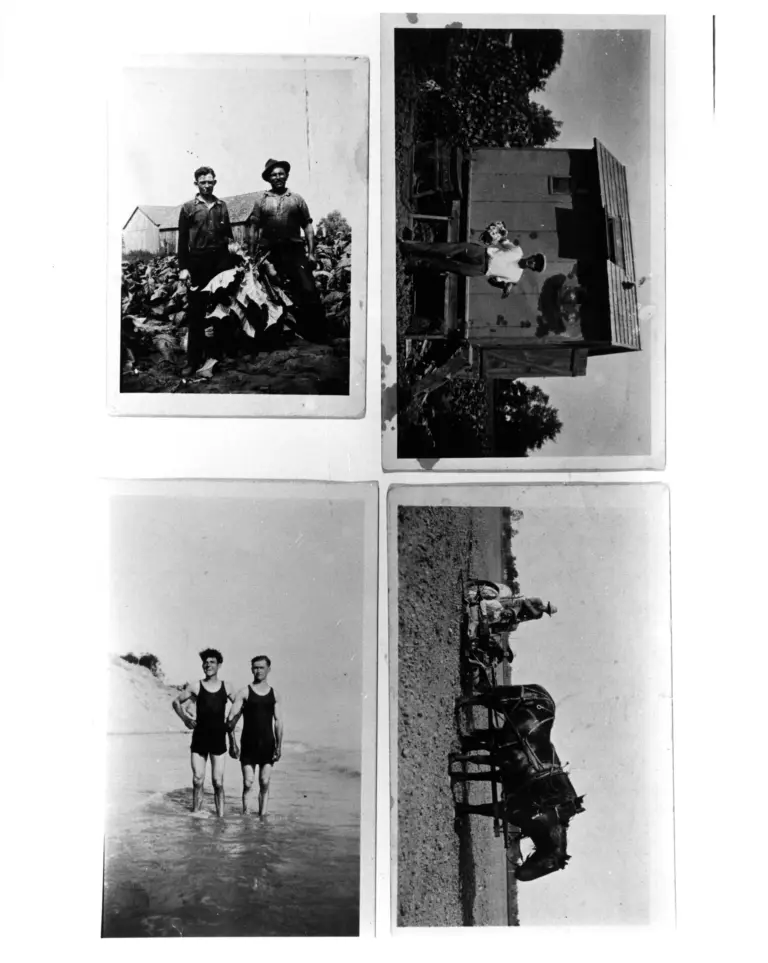 GuideFeeding the harvestThree meals a day for two dozen, from a Delhi kitchen
 GuideThe Harvest FestivalFrom the 1956 Tobacco Queen to the 2000s
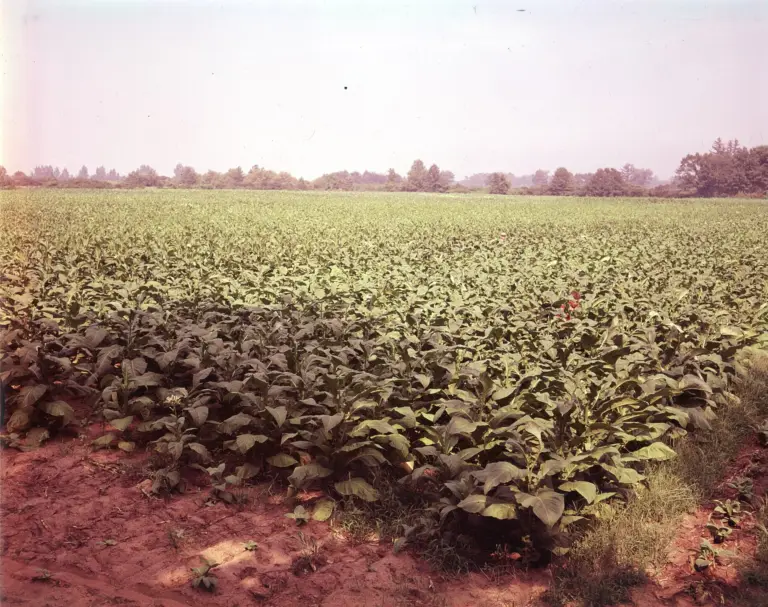 GuideBlue mould, 1979The epidemic that took a third of the crop
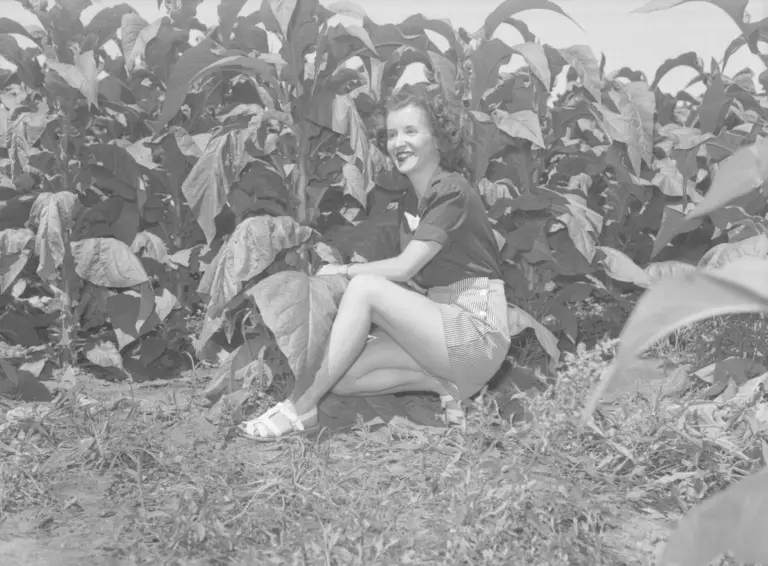 FilmThe Back-Breaking LeafThe NFB’s 1959 film of the harvest
Used it in class?
Tell us what worked and what you needed that wasn’t here. Student projects that turn up new sources are welcome too, credited as you wish.