Places
Tobacco left its mark on the land around Delhi as much as on the town. Every flue-cured farm needed curing kilns and a pack barn, and for eighty years the federal government ran a research station just west of town that began with tobacco and ended with new crops.S1S45
These are the places the record lets us describe: the kiln Henry Freeman and William Pelton built at Lynedoch in 1923;S22 the research station, opened in 1933 and closed in 2013;S1S45 the auction exchange, where the crop was sold on the Dutch clock until the last sale in 2009;S11 the museum built in 1979 in the shape of a pack barn;S6 the Quance mills, which cut lumber for kilns in the 1930s;S33 the Hungarian House, dedicated in 1949;S8 and the Imperial Tobacco plant, where leaf was processed from about 1930 until 1971.S93S67
Most tobacco buildings stand on private farms, so we show those by general area only, never an address, and mark each record with what we know about whether it still stands. Public places, like the museum and its heritage-designated kiln, are shown exactly.S51 For the kilns themselves, start with the guide.
-
The Imperial Tobacco plant
Imperial Tobacco’s leaf plant at Delhi, built about 1929–30 and consolidated into Aylmer in 1971.
-
The Hungarian House
Dedicated 15 May 1949: the Hungarian community’s first completed project.
-
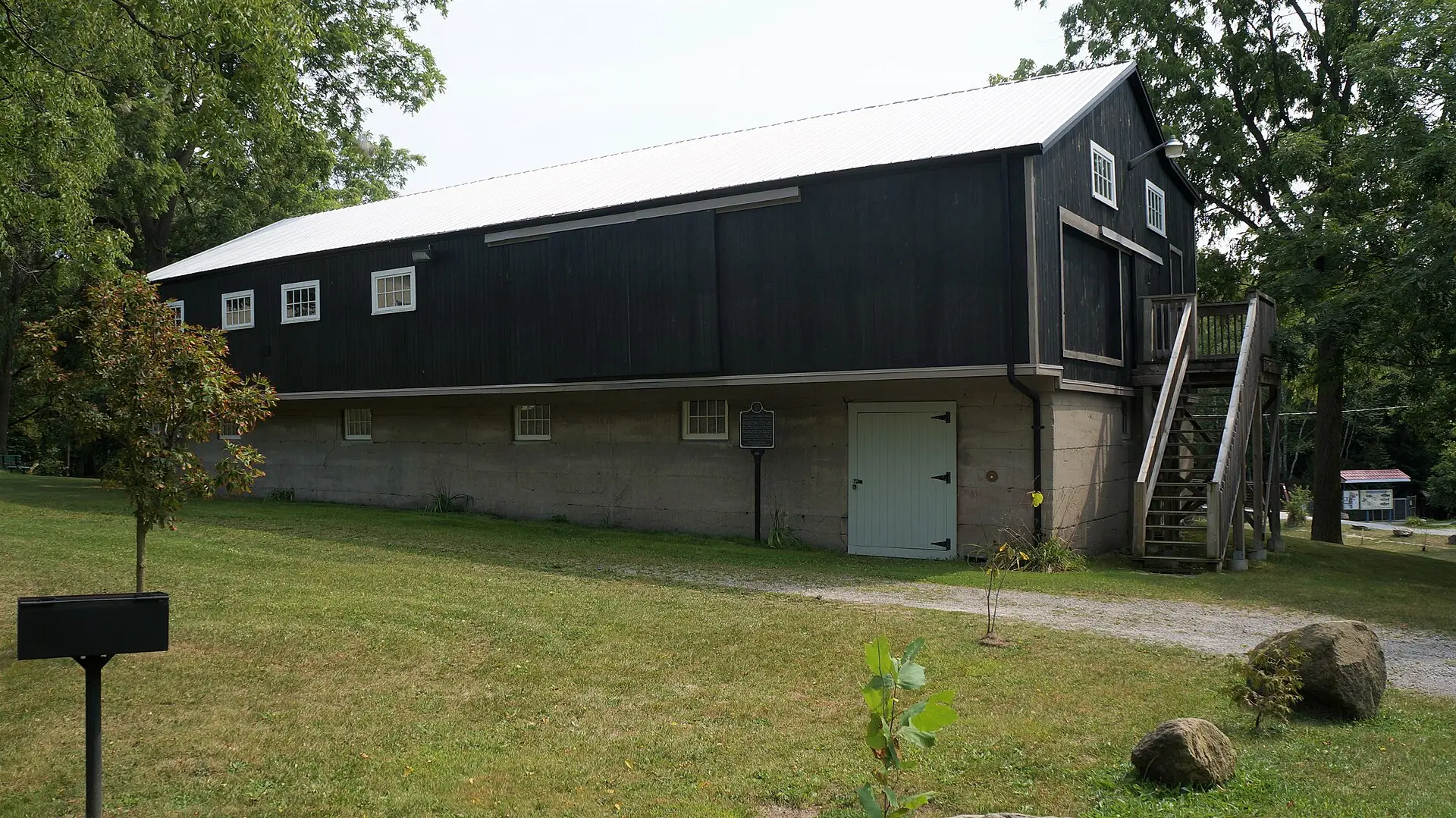
The Quance mills
Mills on Big Creek from the 1830s to 1970, cutting lumber for kilns in the 1930s.
-
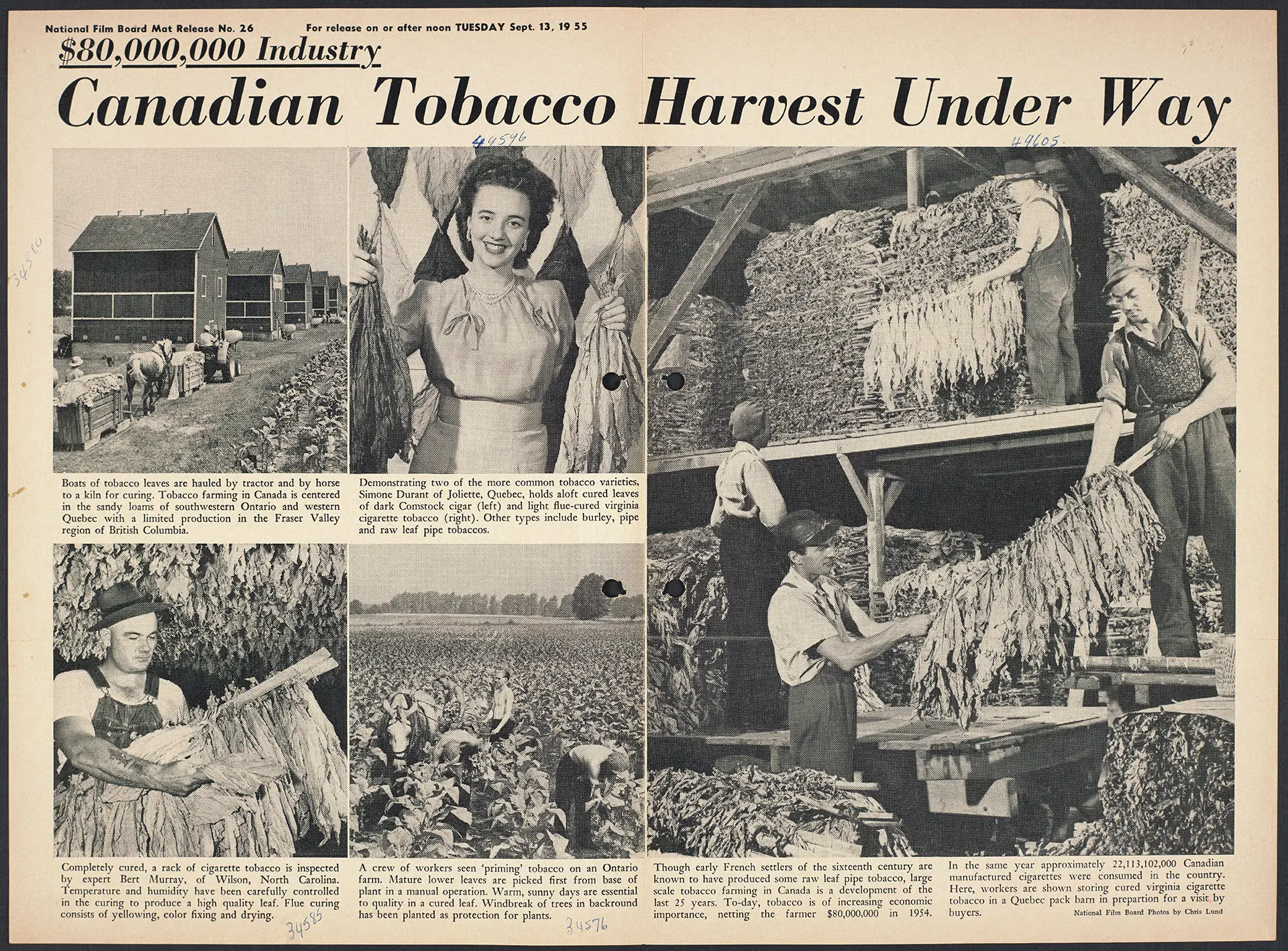
The Delhi auction exchange
One of the marketing board’s three auction exchanges, and the last to close, in 2009.
-
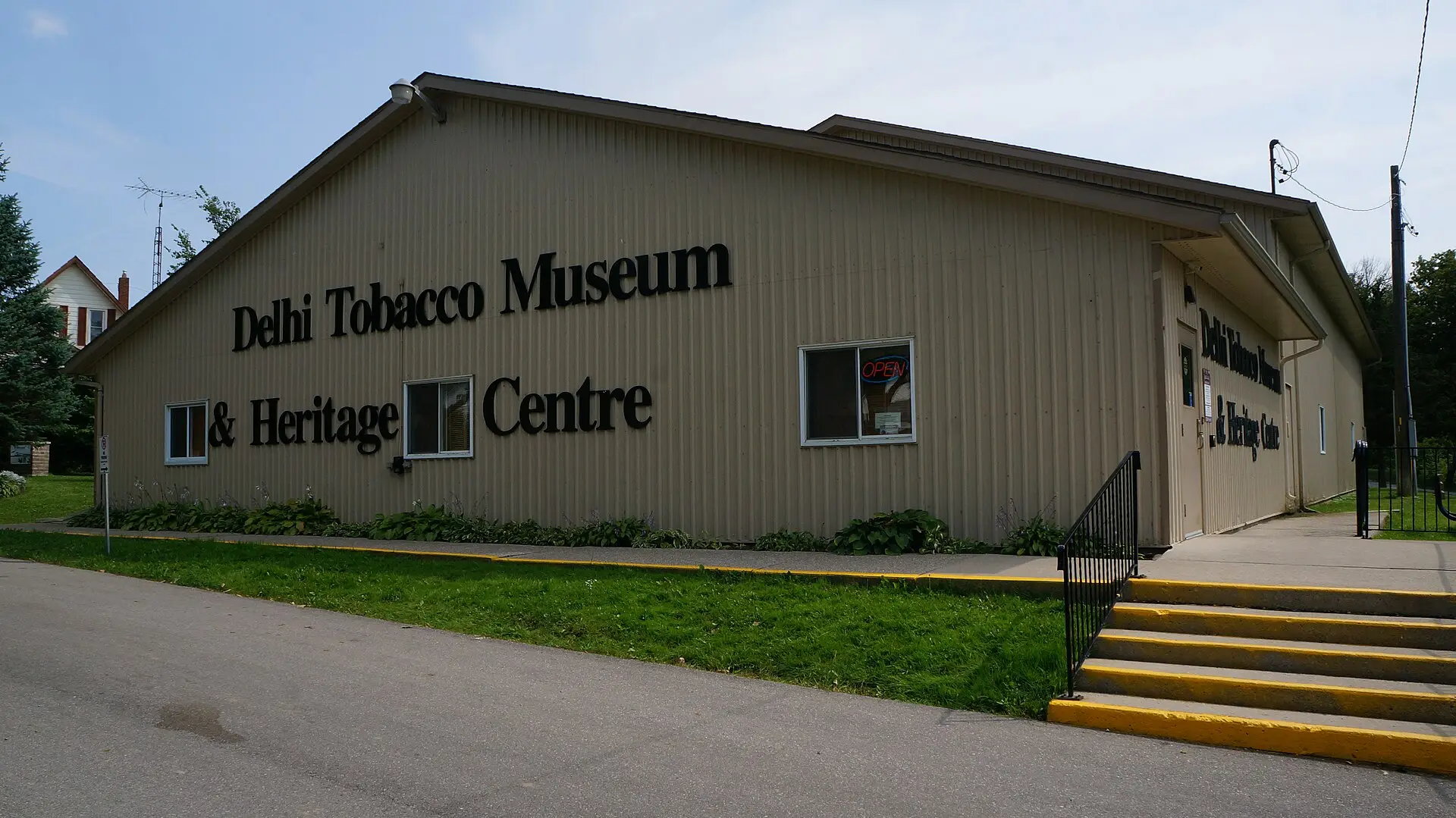
The Delhi Tobacco Museum & Heritage Centre
Built in 1979 as a model of a typical tobacco pack barn.
-
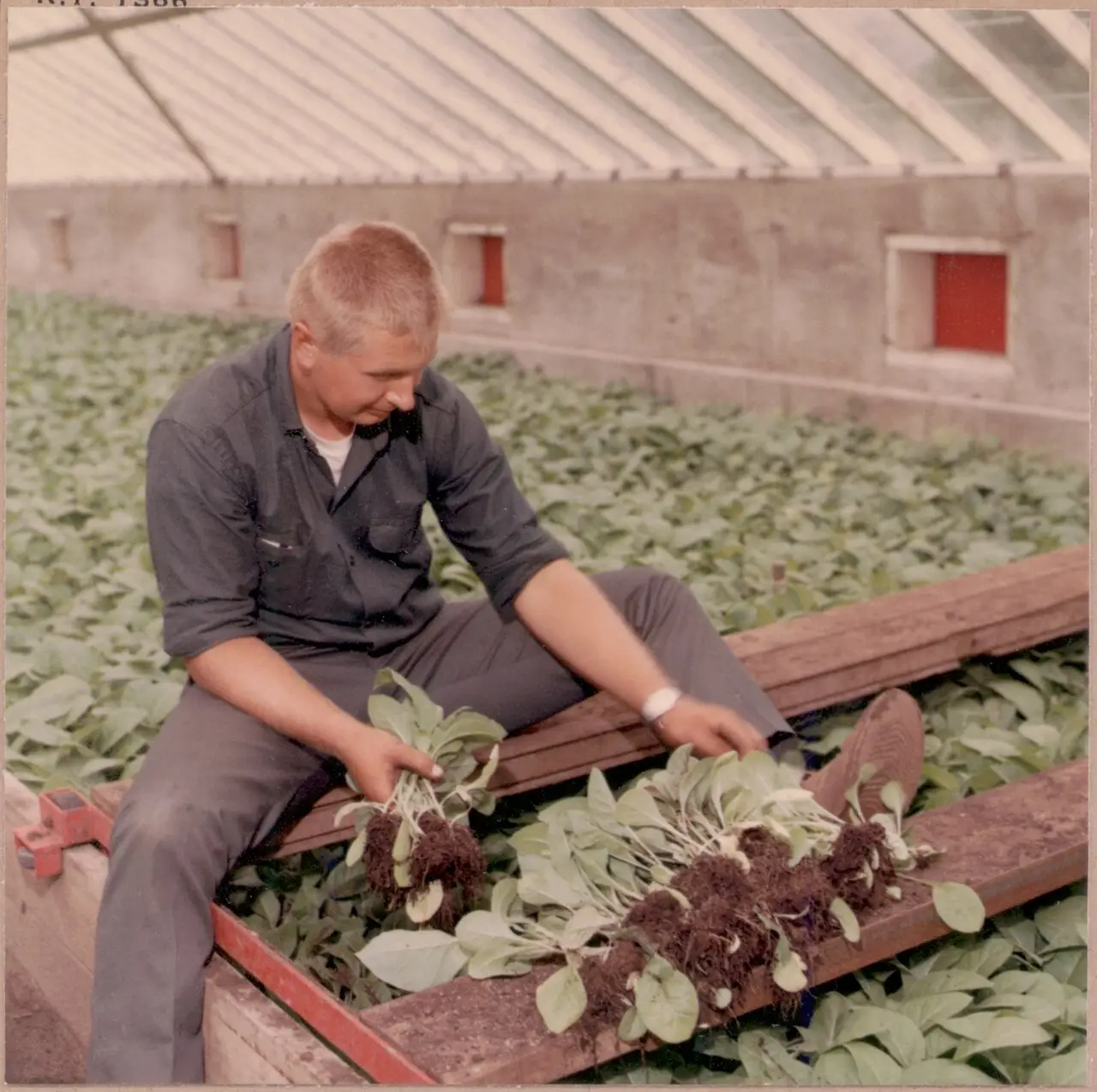
The Delhi Research Station
The federal tobacco research station west of Delhi, 1933–2013.
-
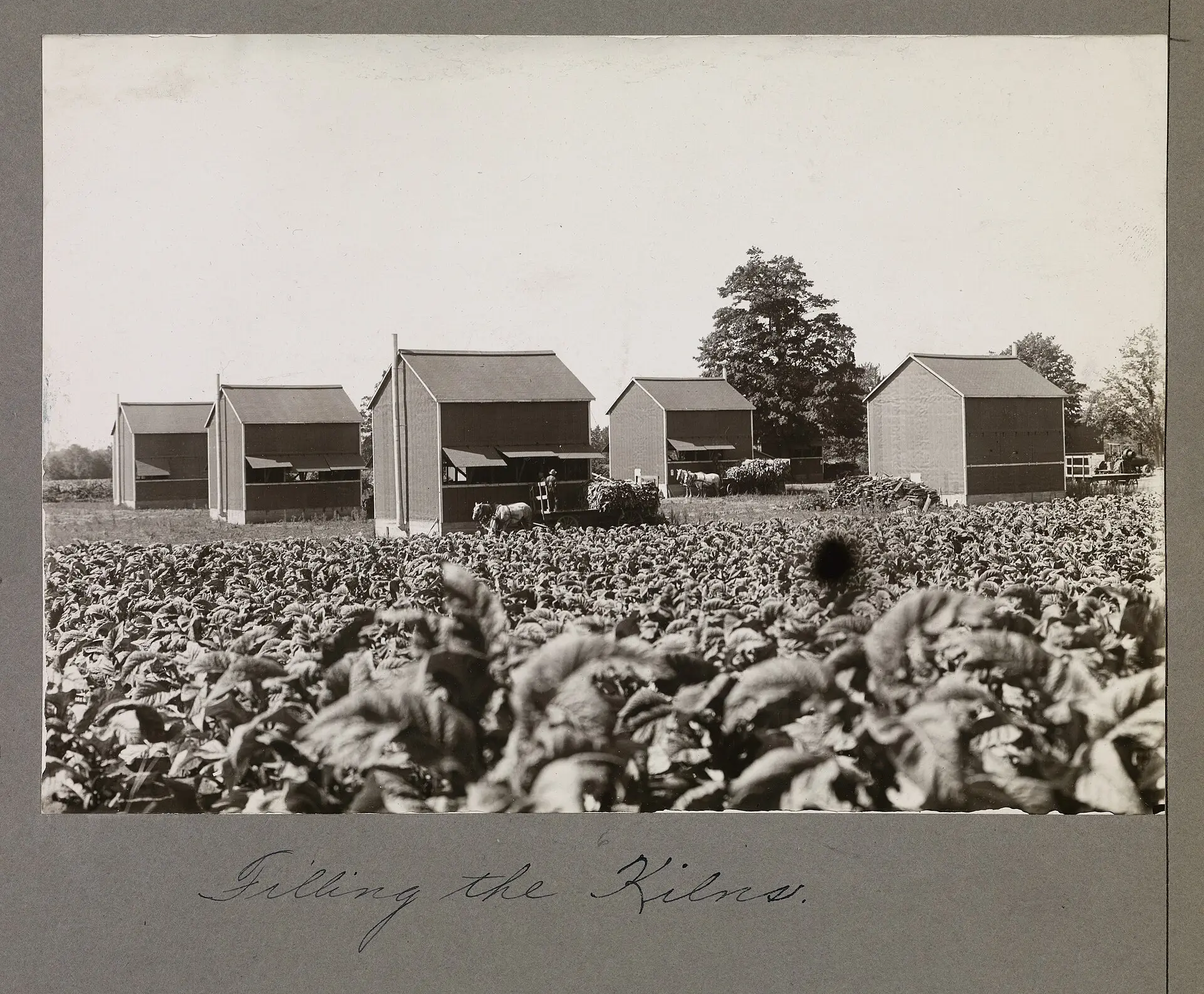
The 1923 kiln at Lynedoch
A kiln built on Freeman and Pelton’s farm in the year their first commercial crop came in.