Newcomers
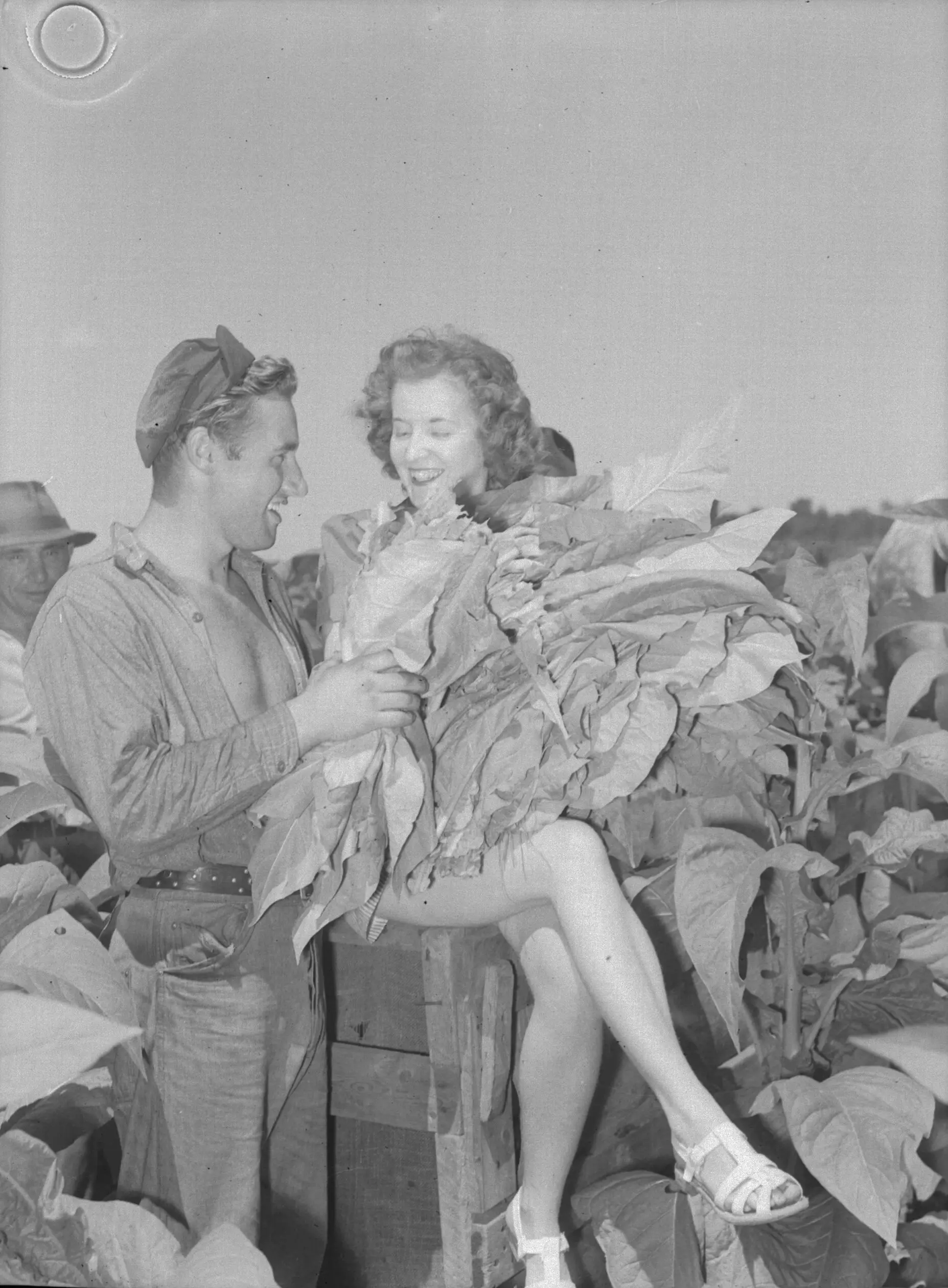
Tobacco changed Delhi’s population as much as its fields. The Delhi Tobacco Project’s oral histories include Belgian, Hungarian, German, Polish, Lithuanian, Ukrainian, Romanian, Croatian and Czech voices, among many others.1 Not everyone came for tobacco, but tobacco work, sharecropping and farm ownership were major ways into the district.
Labourer, sharecropper, owner
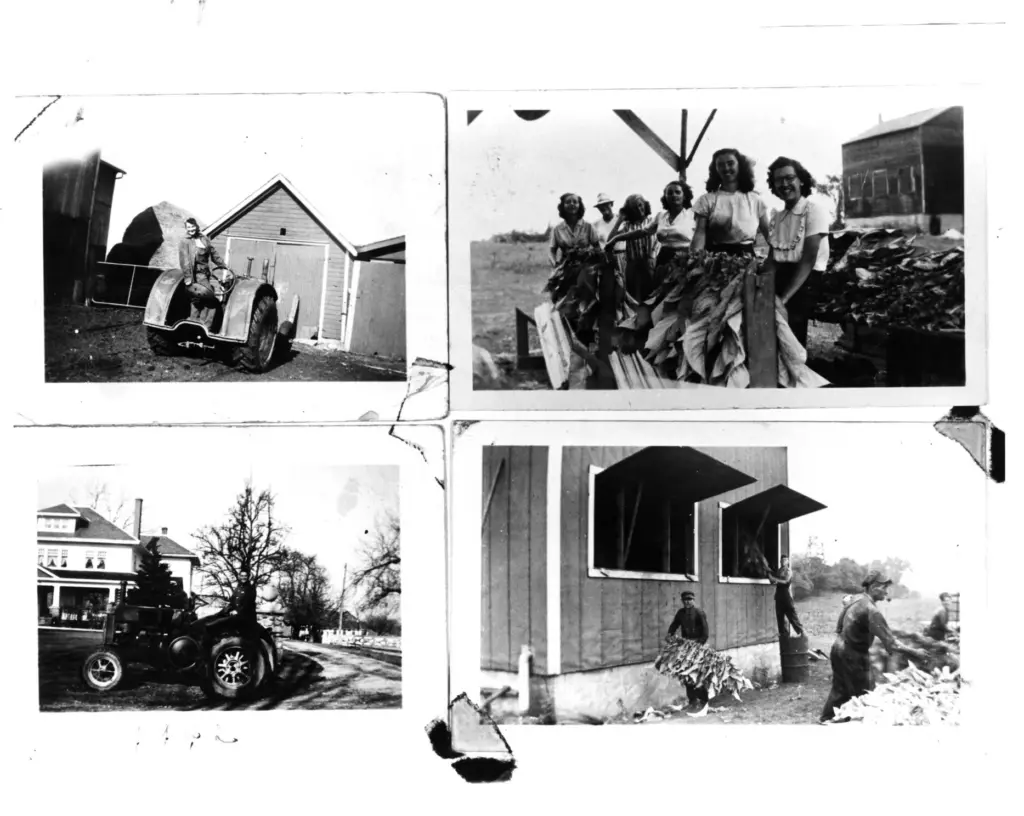
A pattern recurs in the community histories: people arrived as farm labour, moved on to sharecropping or tenant farming, saved, and some eventually bought a farm or started a business. Jonathan McQuarrie notes that many of the tenant farmers on Norfolk’s early plantations were immigrants from Belgium and Hungary.2
Visiting in 1951, Maclean’s found that path everywhere. Mike De Vos had come from Belgium in 1935 and worked ten years in the fields; he now owned a farm and two hotels. Newcomers who started with nothing, the magazine wrote, often had a new car and a new house within five years. Many had lost their savings to Europe’s crises and put their money into land and homes instead. “Our money goes into things a war won’t destroy in a day,” one farmer said.3
The history of Delhi’s Hungarian hall tells that path clearly. Hungarian immigrants came to the tobacco district during the Depression, it says, when industrial jobs in the cities were scarce. They began as day labourers, became sharecroppers, and after much saving bought farms of their own.4
The 1933 call
One story from that history stands out. Paul (Pál) Rapai, a tobacco farmer and businessman who had come to the district in 1931, placed an advertisement in 1933 in the Kanadai Magyar Újság urging unemployed Hungarians to come for seasonal work. About a thousand came, on foot, by car, by any means they could. There were so many that they camped in nearby woods, fed by the townspeople with some help from the government.4
That figure comes from the community’s own history, not a census, and we have not yet found the advertisement itself. We tell it as the hall tells it.
More than one story
Each community came in its own way. According to the Lithuanian Canadian Community’s history, Lithuanians were working Delhi-area tobacco farms in 1930 and 1931, some grew their own crop from 1932, and by the Second World War about a hundred Lithuanian families and individuals lived around Delhi, most of them farming.5 Chapter 8 tells the stories of the halls.
Some families came as children and stayed for a lifetime in the crop. Andy Zei, born in Szakadát, Hungary, in 1925, came to Canada with his family at about three; his father began growing tobacco in 1938, and Andy planted his first crop in 1951 and went on to spend forty years representing growers on the marketing board, Norfolk’s Agricultural Hall of Fame records.6 His story is on his own page.
After the war
The arrivals kept coming. An online exhibition on the Portuguese in Canada notes that many Portuguese immigrants of the 1950s and 1960s worked on Norfolk’s tobacco farms, mostly for the harvest, and that many later settled in the region, especially in Simcoe and Delhi.7 One family it follows, the Oliveiras from the Minho, arrived in 1967, rented a small farm, bought their first in 1972 and were still growing tobacco two generations later.7 The path was the one the Hungarians had taken: work for others first, then a farm of your own.
The voices
The best record of these lives is in people’s own words. Between 1977 and 1988 the Multicultural History Society of Ontario and the Delhi Tobacco Museum recorded 308 cassettes of oral history, about 267 hours, in languages including English, Flemish, French, Hungarian, Lithuanian and Polish.1